We work across the whole project lifecycle: development, investment and finance, EPC and operations. We do not stop at minimising construction capex. We optimise capex, long-term operating costs and operational headache together, because we design, build and run our plants like long-term owners.
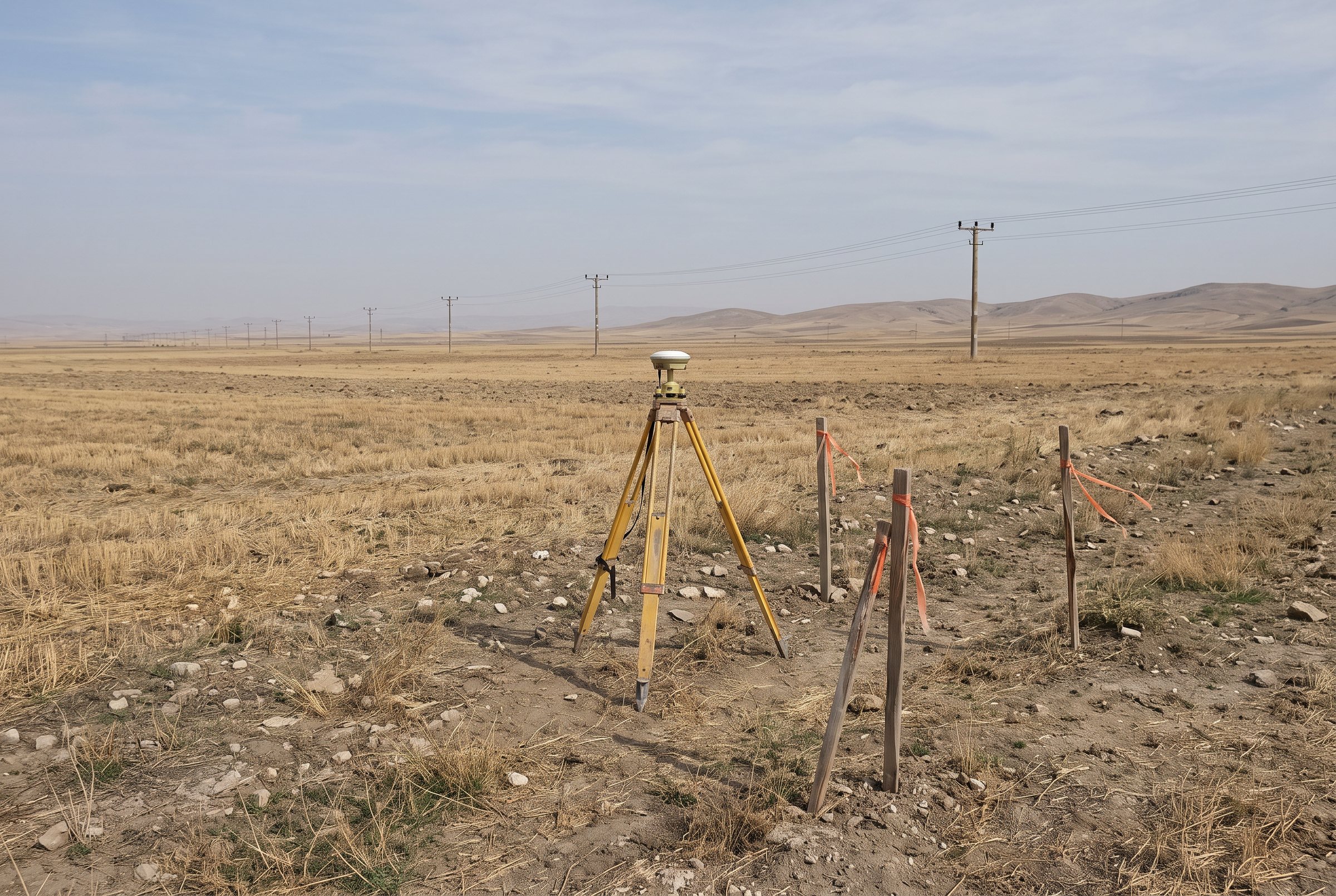
We take projects from site selection, permitting and grid connection to a bankable, construction-ready design. Development decisions are made according to how the plant will perform over decades of ownership and operation.
Only projects built with rigour, precision and to international standards remain resilient and profitable over operating lives of 25 to 30 years.
We entered renewable energy in 2013 as an investor, not a contractor. Today we invest alongside our partners and bring the financing together with the EPC contract.
Investment. Citus Power can take equity positions in selected projects and can co-invest with industrial offtakers, institutional and strategic partners, in build-own-operate and build-own-transfer structures. Its interests are aligned with those of its partners: plants are designed for lifetime yield and returns, not only for construction.
EPC-F: EPC and financing, structured together. Utility-scale projects are more often delayed by financing than by technology. In EPC-F the EPC contract and the funding package are developed in parallel, so equipment supply, construction and financing terms line up from the start.
Four steps from structure to delivery, and a supply chain built around the lender.
The project, offtake, country risk and sponsor profile are assessed and the financing route is selected.
Lender and ECA requirements are built into the EPC contract and technical scope.
Coordination with export credit agencies (ECAs), international financial institutions (IFIs), commercial banks, insurers and independent engineers throughout documentation, due diligence and financial close.
Construction follows the lender-approved schedule and specification, and Citus Power remains involved through operation.
Every export credit agency has its own rules on content origin and the minimum share that must come from its home country. We arrange the equipment and supplier base to meet them.
Faster financial close, fewer interfaces, long tenors and competitive terms in markets where commercial credit is limited, and certainty of scope, price and schedule for sponsors.
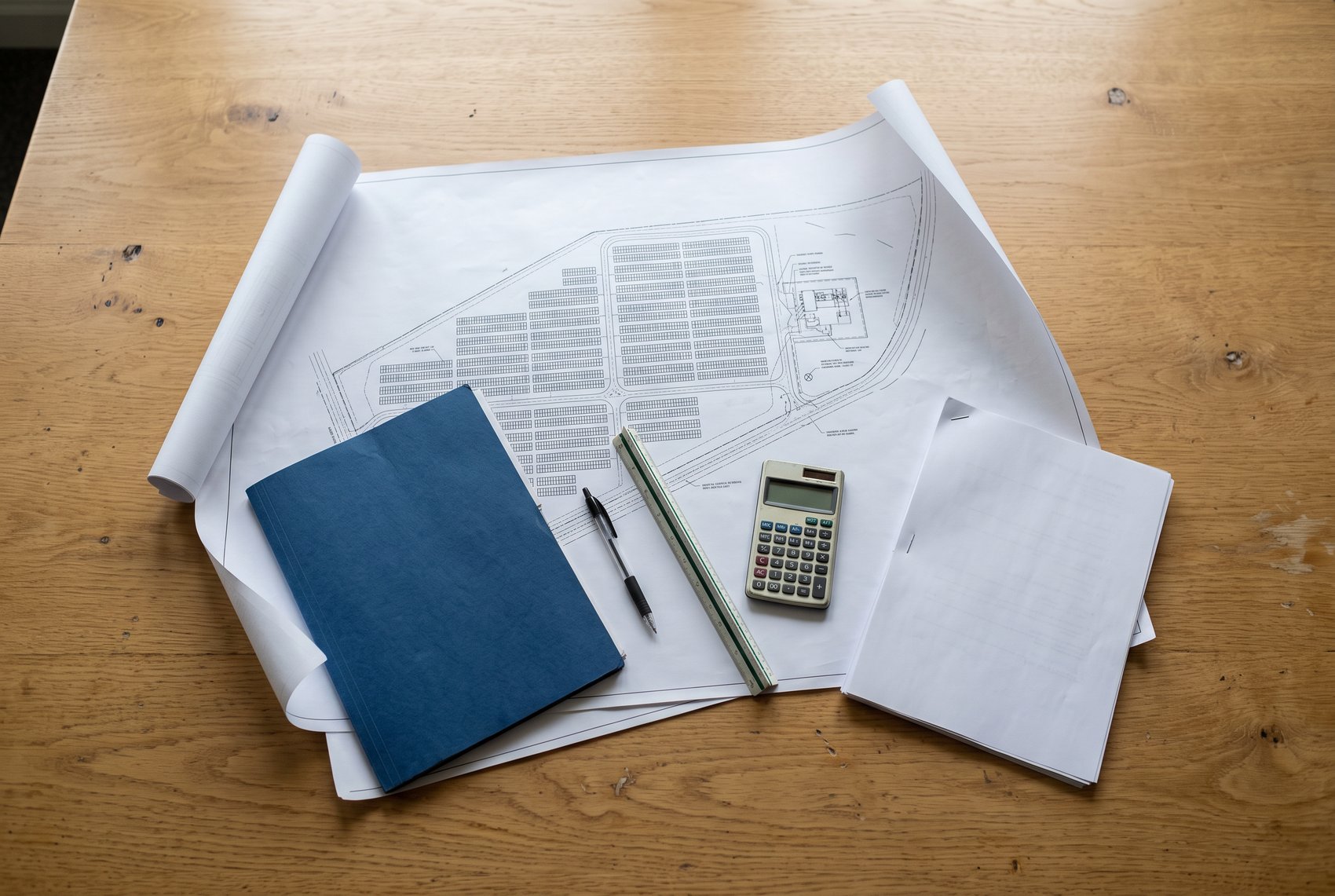
We engineer, procure and build solar PV, storage and hybrid plants as a turnkey contractor. Our own engineers are responsible for design, equipment selection and site supervision, and we stand behind the result with our performance guarantees. We have been building and operating renewable energy projects for more than a decade and know how today's decisions play out over decades. Our EPC approach aims for low LCOE together with long-term reliability and minimum operational headache: sound engineering, quality equipment and disciplined construction.
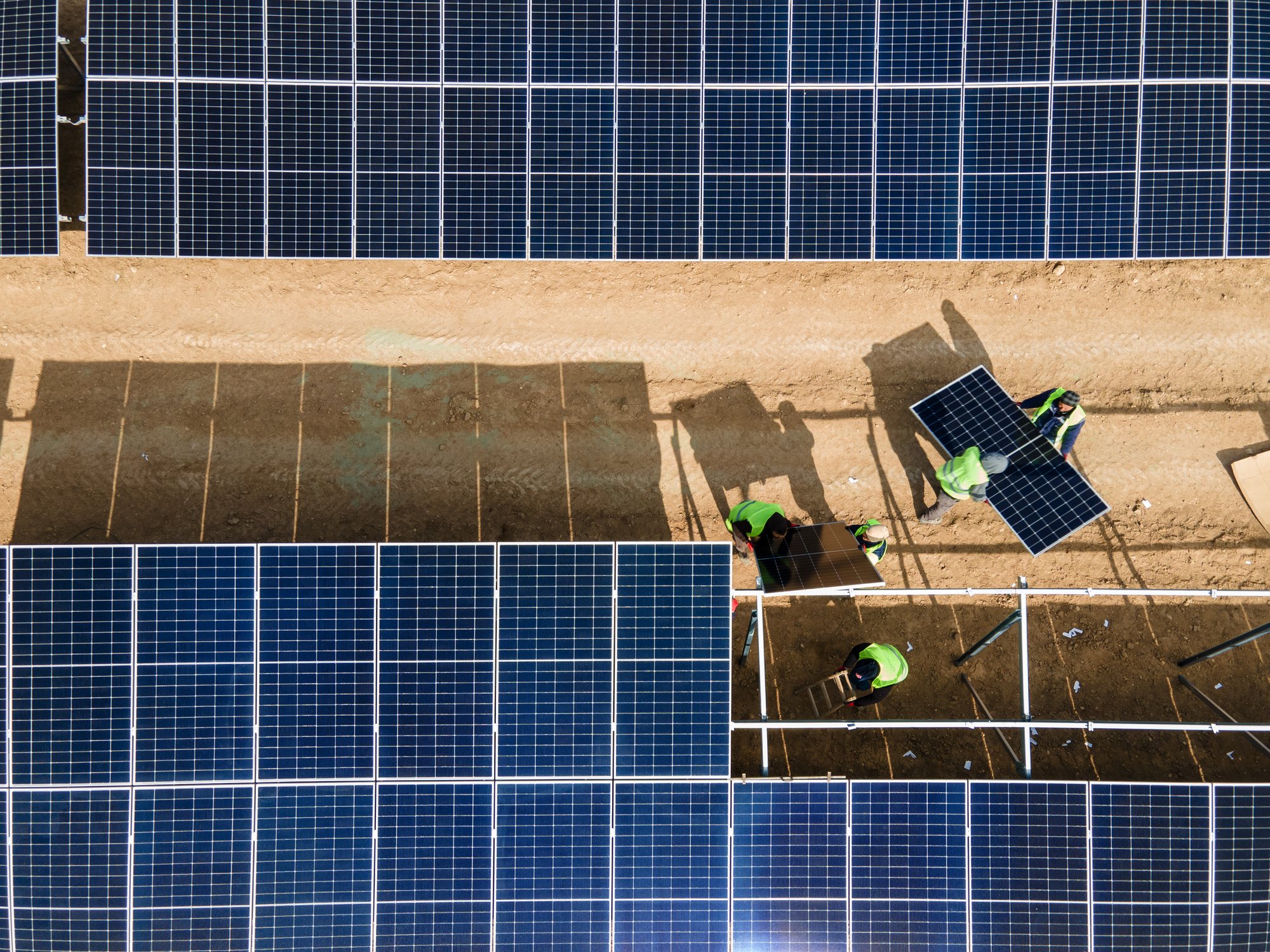
Three commitments we make on every plant we build.
We design, build and operate our plants with the seriousness of a long-term investor and operator, not the logic of a short-term contractor.
We minimise not only the construction cost of our plants but all costs incurred over the construction and operating period.
In building a plant we look beyond good materials and workmanship: correct and complete permitting, construction- and operation-phase health and safety, quality and ease of operation.
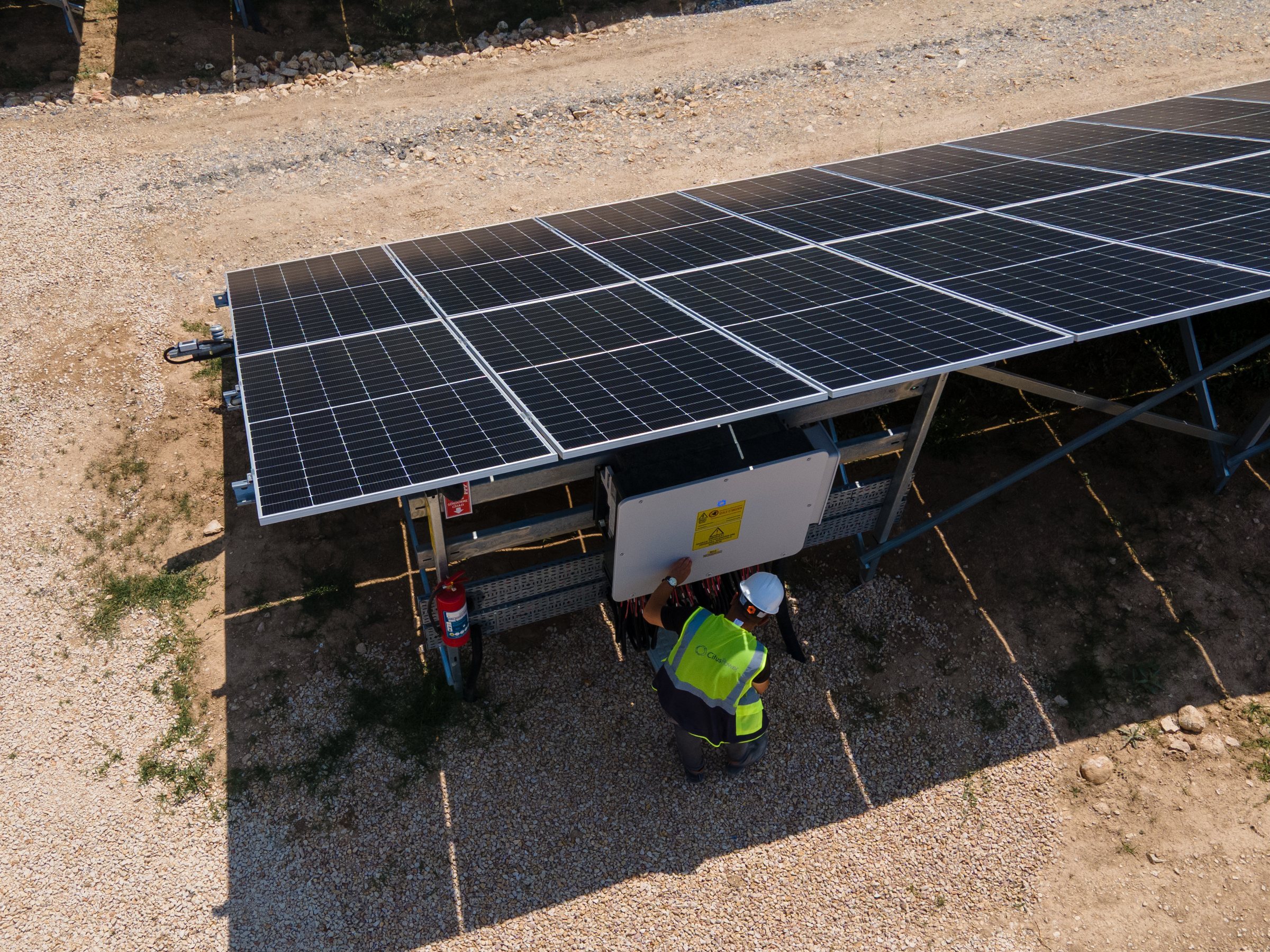
A power plant is not passive infrastructure. Its performance depends on disciplined operation, steady oversight and quick action when something changes. We keep running the plants we build.
The goal is a plant that keeps its yield, stays predictable and holds its value.
Request an EPC proposal →Solar PV, wind and battery storage can each be built as a standalone plant, or combined into a hybrid system with existing gensets and the grid where the site calls for it.

Ground-mounted utility-scale and self-consumption plants, with carport and rooftop options where the site calls for them.


Citus Power has experience in wind projects and applies the same disciplined approach to new wind opportunities.

Grid-scale storage for energy shifting, capacity and grid services. Storage is sized and integrated with PV and wind, so that the combined plant meets offtake and grid-code requirements.

Solar PV, battery storage and, where the resource supports it, wind, combined with existing gensets and the grid.
Where there is no grid, a weak grid or an expensive one, power usually comes from diesel or gas generators, and the fuel is bought, trucked in and burned around the clock. Hybrid systems combine solar PV, battery storage and, where the resource supports it, wind with the generators and grid already on site, so that each source contributes where it is most effective and fuel costs decrease.
Who it is forOil and gas fields, mines and quarries, off-grid agriculture, remote industrial sites and weak-grid facilities.
Submit your site details →